
By Ehtijad Ali
Updated: October 2026
Reading time: about 10 minutes
Is it safe to go on the dark web? It is one of the most common questions people ask after hearing about it on the news or in a movie.
The honest answer is: it can be safe to look, but it is never risk-free. Your safety depends on three things. Where you click. What you download. And what you share about yourself.
This guide explains the real risks in plain words. No scary music. No tech talk. Just simple facts, everyday examples and easy steps to protect yourself.
What is in this guide?
Is it safe to go on the dark web? The short answer
- Looking is usually legal in most countries. Buying illegal things is not.
- The biggest risks are scams, harmful downloads and fake websites, not hackers watching you.
- Tor Browser hides your location, but it cannot stop you from giving away your own name or email.
- Most people do not need to go there at all. Your everyday privacy matters much more.
Keep reading to understand each point.
What is the dark web, in simple words?
Think of the internet like a city. The surface web is the main street. Google can see every shop. The deep web is everything behind locked doors, like your email inbox or bank account. The dark web is a small, hidden alley you can only reach with a special key.
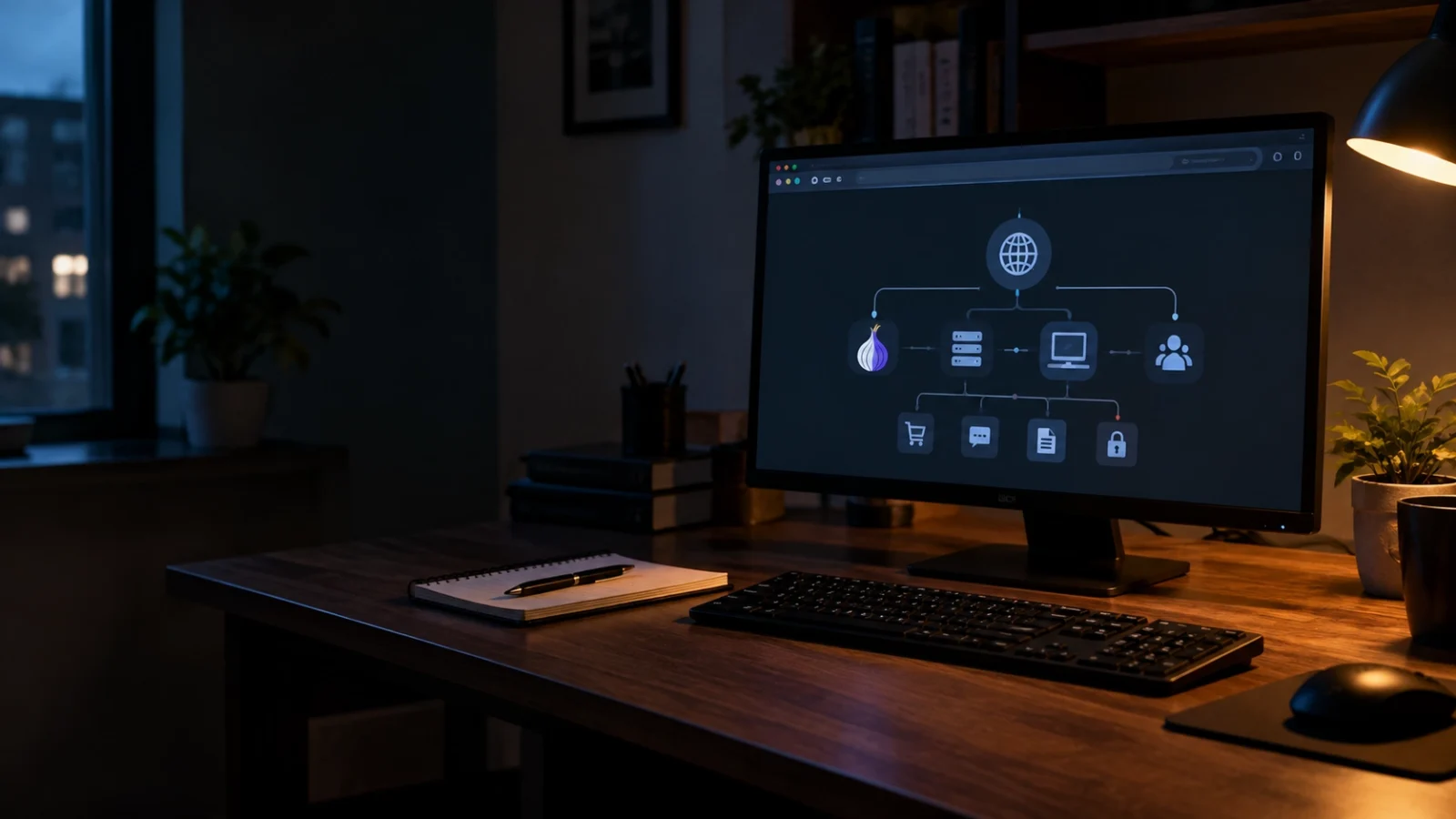
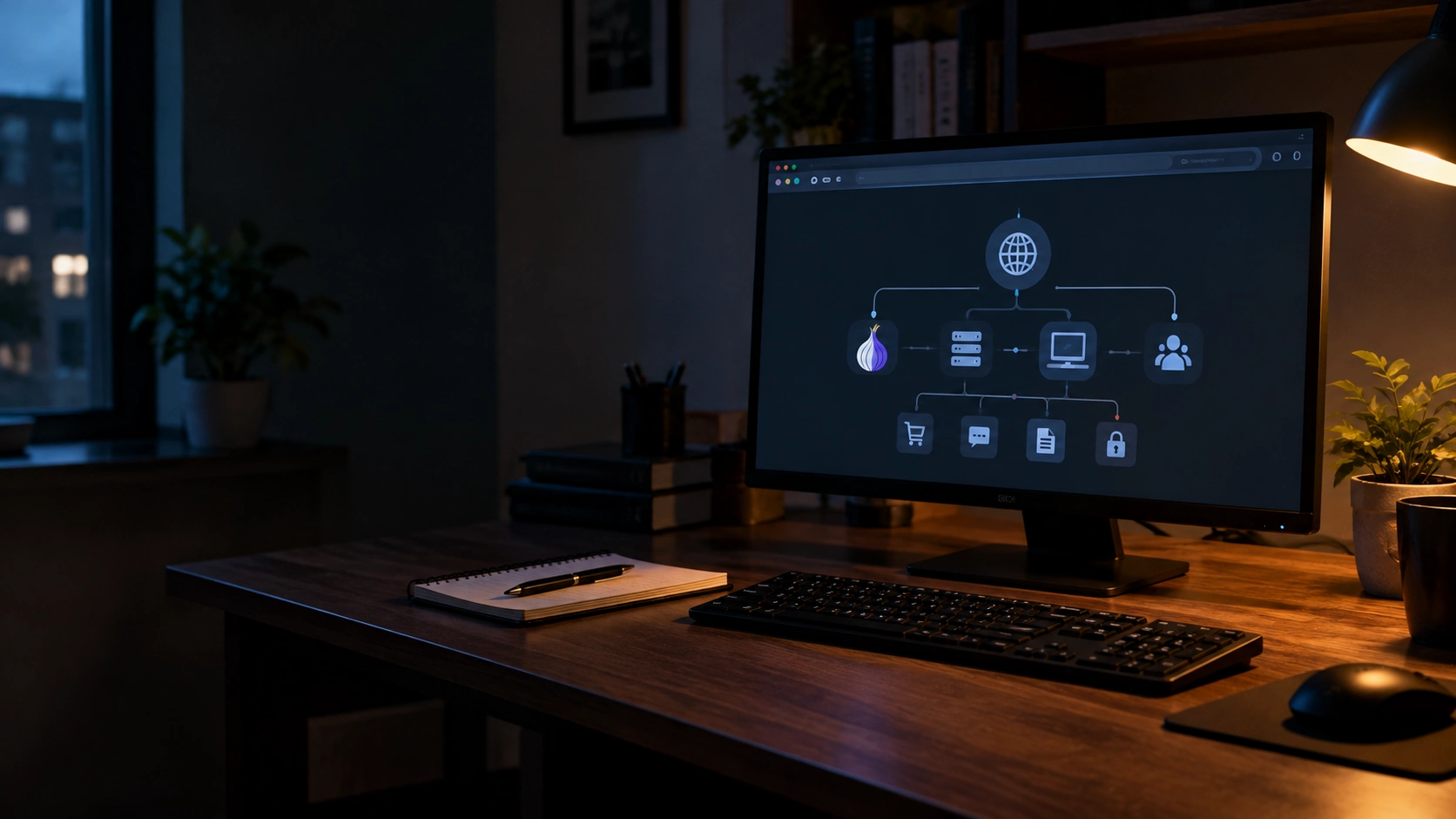
That special key is usually Tor Browser. Tor sends your connection through three computers, called relays, around the world. Each relay only knows a small part of the path. This makes it hard for anyone to see who you are and which site you visit.
Dark web sites have strange addresses that end in .onion. You cannot open them in a normal browser like Chrome or Safari.
Want the full picture? Read deep web vs dark web: 7 simple differences and how Tor works with its 3 relays.
Is it illegal to visit the dark web?
In most countries, including the U.S., the UK and most of Europe, using Tor and visiting the dark web is legal. Journalists, researchers and regular people use it every day.
What is illegal is the same as on the normal internet: buying drugs or weapons, using stolen data, or viewing illegal content. Doing those things on the dark web is still a crime.
A few countries block or limit Tor. Rules change, so check your local laws. Our guide is Tor illegal? What the law says by country explains more.
So, is it safe to go on the dark web from a legal point of view? Usually yes, if you only look at legal pages and stay away from illegal markets.
Is Tor Browser safe to use?
Yes. Tor Browser itself is a free, open-source tool made by the Tor Project, a nonprofit. Its code is public, so experts around the world check it for problems.
Tor Browser is based on Firefox. It blocks many trackers, clears your history when you close it and makes every user look alike, so websites have a harder time telling people apart.
The tool is safe. The risk comes from the websites you open with it. A car can be safe, but it still matters where you drive. That is why the question “is it safe to go on the dark web” is really about your choices, not the browser.
A simple example: two different visits
Let’s compare two people who open Tor Browser on the same day.
Aisha is a student. She opens the .onion version of a big news website to read an article. She does not log in, does not download anything and closes the browser when she is done. Her visit is legal and very low risk.
Bilal clicks random links from a list he found online. He sees a site selling “cheap phones”, pays with crypto and downloads a “free tool” from a pop-up. He loses his money, and the tool puts malware on his laptop.
Same browser. Same dark web. Very different results. The difference was not the place. It was what each person clicked, downloaded and shared. So when someone asks you “is it safe to go on the dark web?”, the best answer is: it depends on how you use it.
5 real dangers of the dark web
When people ask “is it safe to go on the dark web?”, these are the problems that actually hurt people. Most of them come from what you click, not from just being there.
1. Scams and fake websites
Scams are the number one danger. Many dark web sites are copies of other sites made to steal money. Others take payment and never deliver anything.
Some markets even shut down suddenly and run away with everyone’s money. This is called an exit scam. Our story about dark web exit scams shows three real cases.
The same tricks work on the normal web too. Learn the signs in how to tell if a website is fake.
2. Malware and harmful downloads
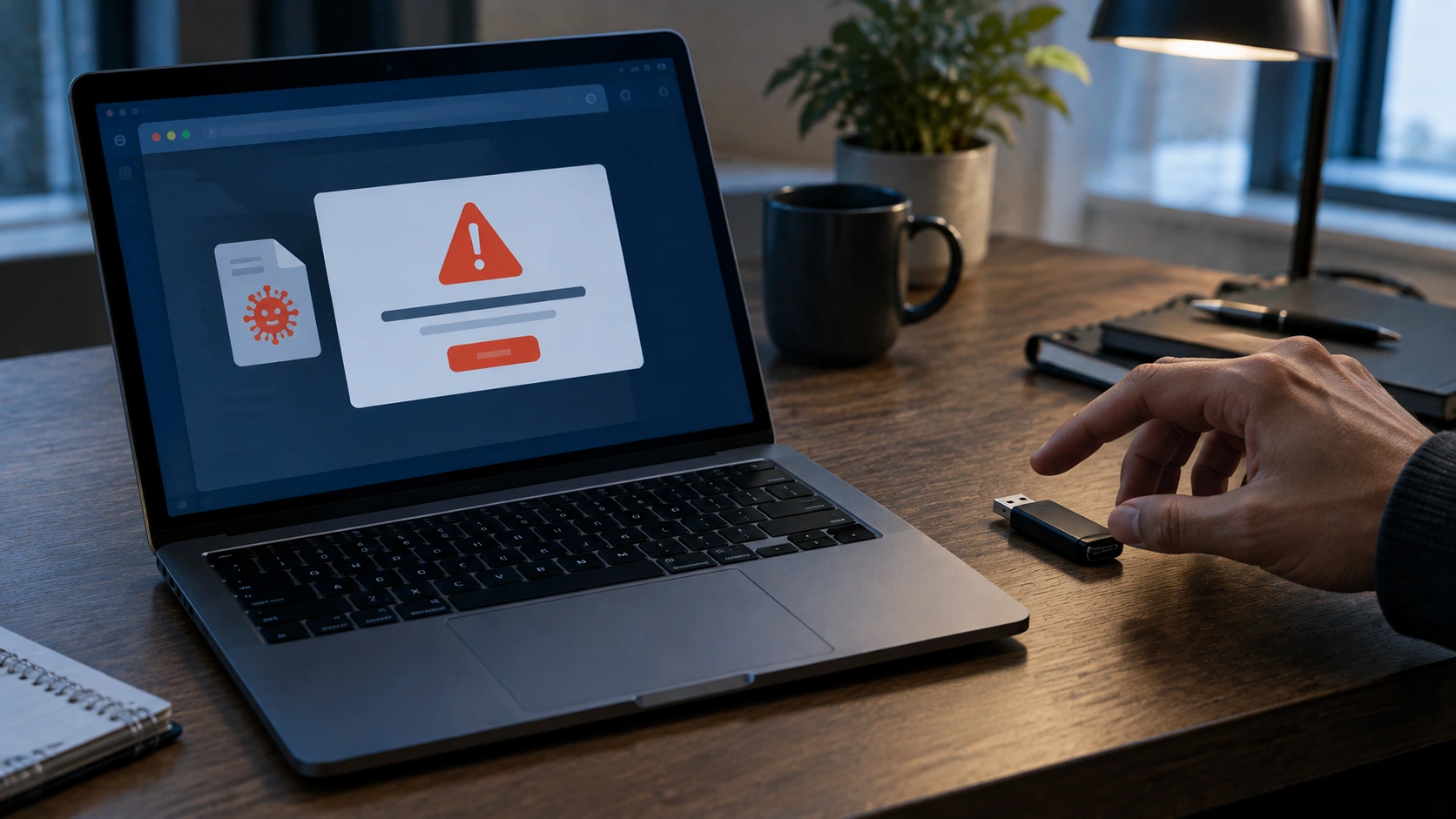
Can you get hacked by visiting the dark web? Just opening a page is rarely the problem. Downloading files is.
Files can hide malware, which is a program that harms your device. It might steal passwords, spy on you or lock your files. The Tor Project’s own safety guide warns that documents like PDFs and Word files can even connect to the internet outside Tor and reveal your real address.
The same goes for USB drives. Never plug in a USB stick from someone you do not know.
3. Your privacy is not guaranteed
Tor hides where you are. It does not hide who you are if you tell people. If you log in to your normal email or type your real name, the website knows it is you.
Tor also only protects apps that run through it. Your other apps still use your normal connection.
4. Illegal and disturbing content
Some parts of the dark web have content that is shocking or illegal. You can stumble onto it from a random link list. This is one reason the dark web is not a good place to “just explore” without a reason.
5. Fake security warnings
Some sites show pop-ups like “Your computer is infected! Download this tool now.” These are tricks. The “tool” is the real virus. Close the page instead.
If you ever click a bad link by mistake, follow the steps in what happens if I click a phishing link.
4 myths about dark web safety
Many myths make people think the answer to “is it safe to go on the dark web” is either “totally safe” or “instantly dangerous”. Neither is true.
Myth 1: Everyone on the dark web is a criminal
Not true. Millions of people use Tor each day, according to Tor Metrics. Many use it to protect their privacy, not to break the law.
Myth 2: Tor makes you 100% anonymous
No tool does that. Tor makes tracking much harder, but mistakes like logging in with your real account can still give you away. A VPN does not fix this either. See Tor vs VPN: which is better for privacy?
Myth 3: Just visiting means you will be hacked
Simply visiting is not usually enough. Most harm comes from downloads, fake forms and scams. Keeping your browser updated and avoiding downloads removes most of the risk.
Myth 4: Everything on the dark web is illegal
Many legal sites have .onion versions, including news websites and privacy tools. Curious what else is there? Read what is on the dark web: 7 surprising things.
Legal and useful reasons people use the dark web
The dark web is not only a place for bad things. People use it for good reasons too:
- Journalists use it to receive tips safely from sources.
- People in strict countries use it to read blocked news.
- Privacy-minded users use it so companies cannot track them.
- Researchers study it to understand cybercrime.
- Security teams watch it for leaked company passwords.
Tools like OnionShare even let people share files privately over Tor.
How to stay safe on the dark web as a beginner
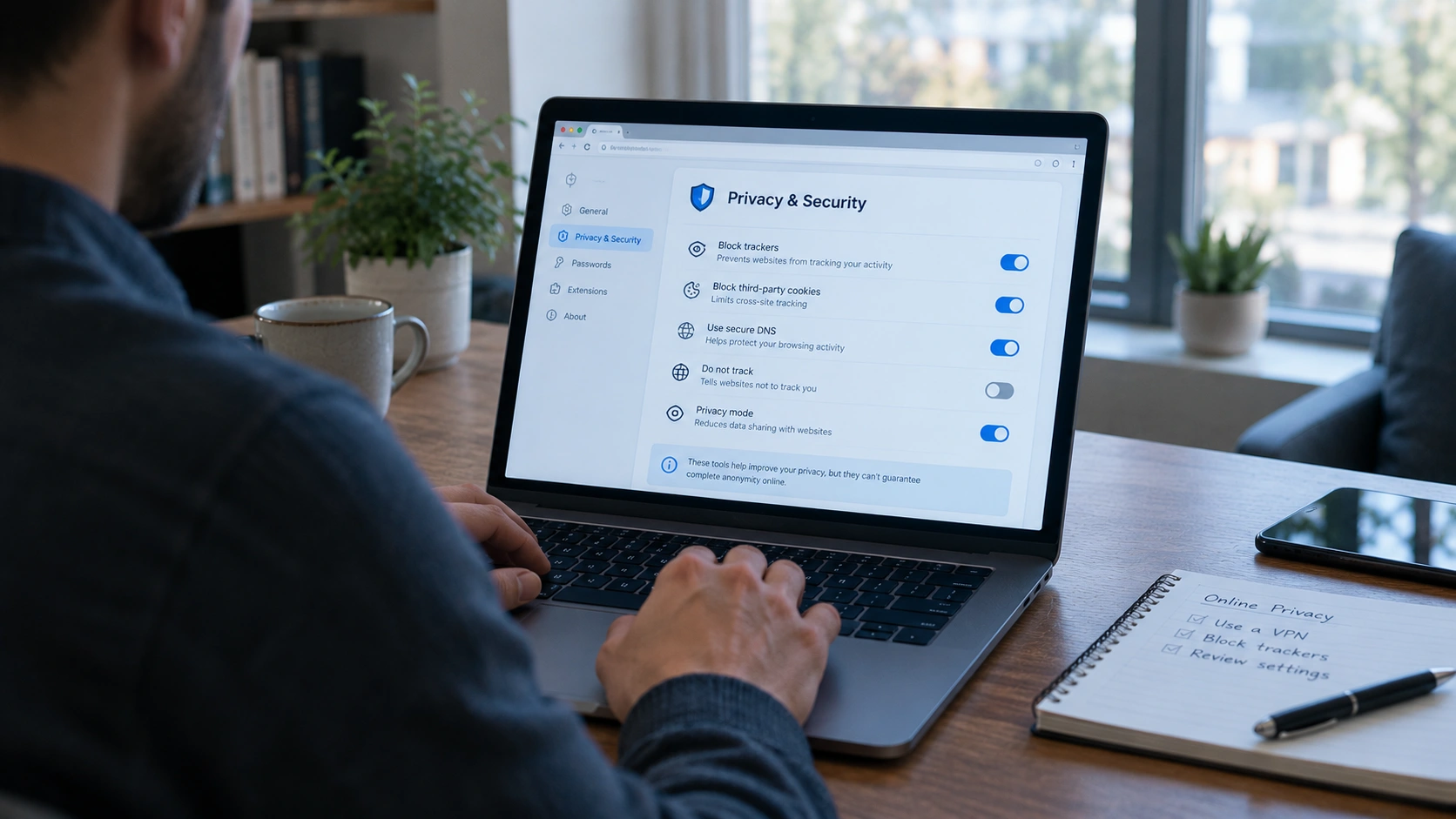
Is it safe to go on the dark web if you follow a few simple rules? It is much safer. Here are the basics:
- Download Tor Browser only from the official site. Get it from torproject.org. Fake copies can contain malware.
- Keep it updated. Updates fix security holes.
- Use the “Safest” security level in Tor Browser settings. It turns off risky features on websites.
- Do not download files. If you must, open them offline, as Tor’s own guide suggests.
- Never share personal details. No real name, email, phone number or photos.
- Do not log in to your normal accounts while using Tor.
- Do not install extra add-ons in Tor Browser. They can leak who you are.
- Do not buy anything. Payments are where most scams happen.
- Close any page that feels wrong. Trust your gut.
These habits help on the normal internet too. The U.S. cybersecurity agency’s Secure Our World tips, like strong passwords and updates, protect you everywhere. For deeper privacy advice, see the EFF’s Surveillance Self-Defense guide.
Want a quick privacy win today? Try our 5 most important privacy settings to change.
What if your data ends up on the dark web?
For most people, asking “is it safe to go on the dark web?” matters less than you think. The real dark web risk is not visiting it. It is their stolen data being sold there after a company gets hacked.
Here is what to do:
- Check if your email was in a known leak. Our guide on how to check if your email was in a data breach takes two minutes.
- Change passwords for any account that was leaked.
- Turn on two-factor authentication (2FA) for email and banking.
- Watch your bank statements for strange payments.
- Report fraud to your local police or, in the U.S., to the FBI’s Internet Crime Complaint Center (IC3).
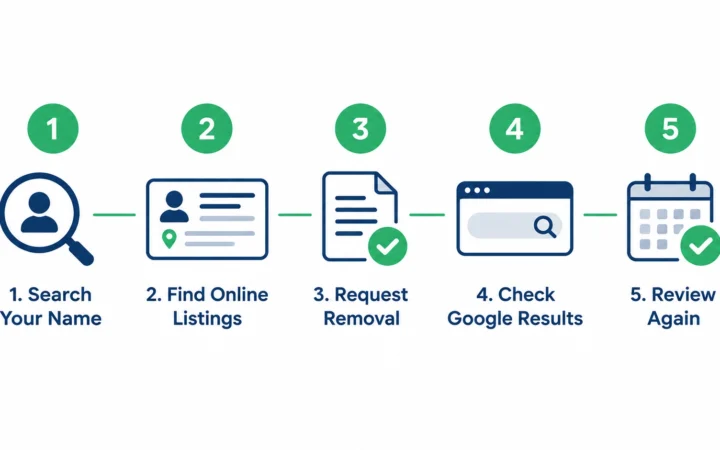
Learn where stolen data goes in what hackers do with stolen data. To make your details harder to find in the first place, follow our guide on how to remove personal information from the internet.
Is incognito mode the same as the dark web?
No. This is a very common mix-up. Some people think that opening an incognito window is enough to answer the question “is it safe to go on the dark web?” It is not, because incognito mode and the dark web are two very different things.
Incognito mode (or private browsing) only stops your browser from saving your history on your own device. Your internet provider, your school or work network and the websites you visit can still see what you do. It does not take you to the dark web.
Tor Browser is different. It hides your real location from the websites you visit and can open .onion sites. Incognito mode cannot do either of these things.
Think of it like this: incognito mode is closing your bedroom door. Tor is taking a secret route through three different doors so no one can follow you home. Learn more in is incognito mode private? 6 things it does not hide.
What should you do if you see something illegal?
Part of knowing whether it is safe to go on the dark web is knowing what to do if something goes wrong. If you ever see something illegal or upsetting online, on the dark web or anywhere else, here is what to do. These steps are the same for adults and kids.
- Close the page right away. Do not download, save or share it.
- Do not try to investigate on your own. That is a job for the police.
- Report it to your local police or your country’s cybercrime reporting service. In the U.S., you can use the FBI’s IC3. In Europe, Europol lists national reporting contacts.
- Talk to someone you trust if what you saw upset you. That is normal and okay.
Police around the world work together to shut down illegal dark web sites. Read how in how police catch dark web criminals.
Questions people ask
Is it safe to go on the dark web just to look?
Looking at legal pages with an updated Tor Browser is low risk. The danger grows when you download files, share details or buy things.
Can the dark web infect my computer?
Yes, mostly through downloads and fake pop-ups. Avoid downloads and keep Tor Browser on the “Safest” level to lower the risk.
Can someone track me if I use Tor?
Tor makes tracking very hard, but not impossible. Your own mistakes, like logging in to your real accounts, are the most common way people get identified.
What happens if you go on the dark web by accident?
You cannot really reach it by accident. You need Tor Browser and a .onion address. If you opened a strange page, just close it and do not download anything.
Do I need a VPN to use the dark web?
Tor works without a VPN. A VPN can hide the fact that you use Tor from your internet provider, but it does not make you anonymous. Read do VPNs make you anonymous?
Is it safe for kids or beginners to go on the dark web?
It is not recommended. There is little useful content for beginners, and it is easy to find scams or disturbing material. Learning about it is safer than visiting it.
Helpful links
- DeepHiDX: deep web vs dark web explained simply
- DeepHiDX: what is on the dark web?
- DeepHiDX: is Tor illegal?
- DeepHiDX dark web glossary
- DeepHiDX: remove personal information from the internet in 5 easy steps
- Tor Project: using Tor Browser safely
- Tor Metrics: how many people use Tor
- EFF: Surveillance Self-Defense
- CISA: Secure Our World
The short version
Here is everything above in a few lines you can share with a friend.
Is it safe to go on the dark web? It can be, if you only look, stay updated and never download, share or buy anything.
Visiting is legal in most countries. The real dangers are scams, harmful files and giving away your own details.
For most people, the smartest move is not visiting the dark web at all. It is protecting your everyday accounts, so your data never ends up there in the first place.


Comments