

By Ehtijad Ali
Updated: October 2026
Reading time: about 8 minutes
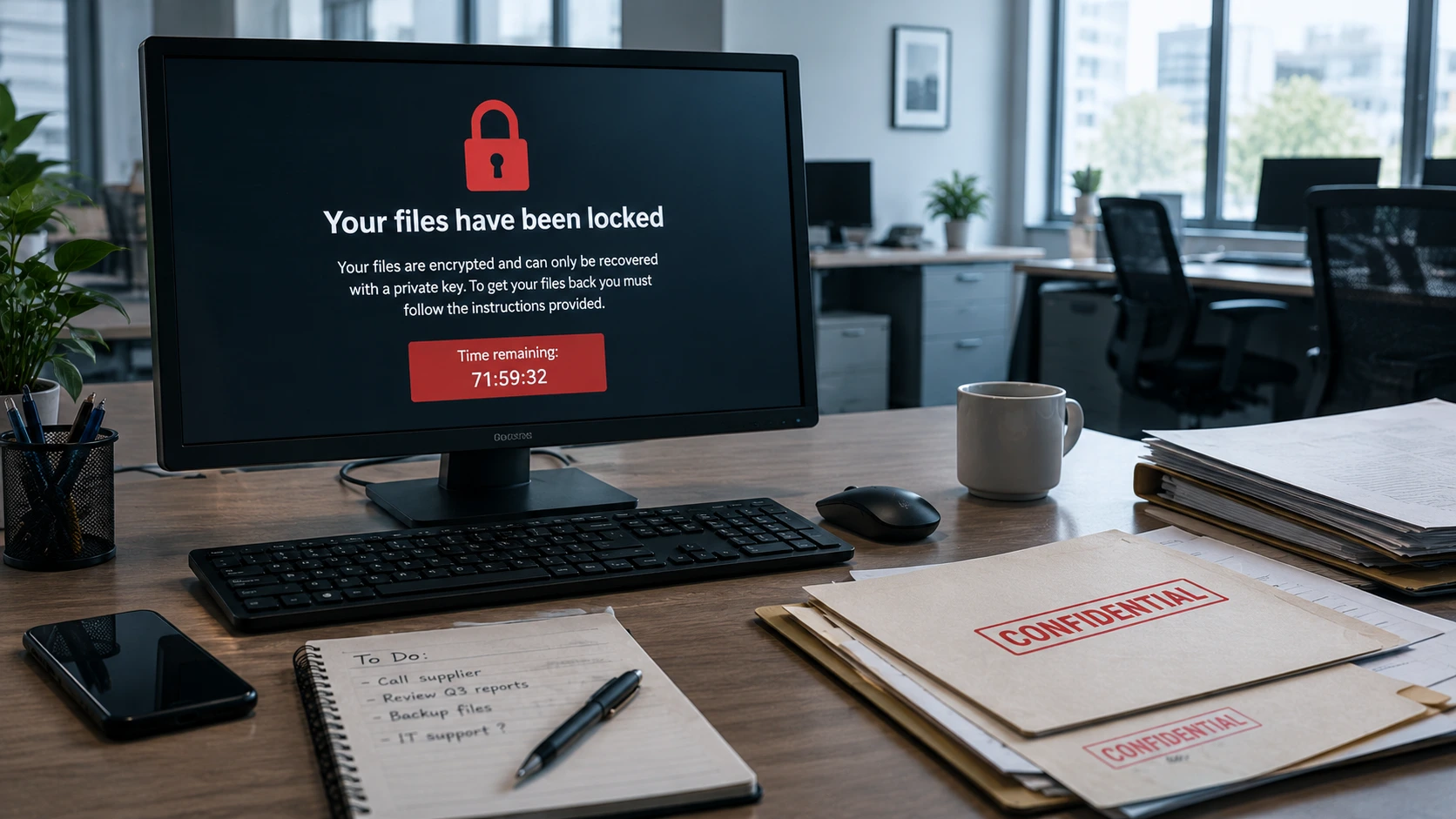
Imagine arriving at work and finding that your company files will not open. Then you learn that someone has also stolen private customer records and is threatening to publish them online.
This is how many modern ransomware attacks work. Criminals do not always stop at locking files. They may also steal information and threaten to share it unless the company pays them.
To put pressure on their victims, some criminal groups use a ransomware leak site. These websites display the names of companies that the criminals claim to have attacked. Some also publish stolen files or samples of private information.
In this guide, you will learn what ransomware leak sites are, why gangs use Tor, how double extortion works, and what it means when a company appears on a leak list. We will also explain why a listing does not always prove that every claim is true.
We will not link to live criminal leak sites or share stolen files. Our goal is to explain the threat and help people stay safe.
What Is in This Guide?
What Is a Ransomware Leak Site?
A ransomware leak site is a website that criminals use to name and shame companies they claim to have attacked. They may threaten to publish stolen business records, customer details, private messages, or other files.
Think of it like a public noticeboard. Instead of posting normal news, criminals use it to pressure businesses into paying money. They may add a company name, a deadline, and a claim that private files will be released.
Some sites publish stolen data. Others only show company names or samples. A listing may be a threat, a claim of responsibility, or a warning that data could be released later.
These sites are linked to the wider ransomware business. Read our guide on how ransomware gangs work to learn how different criminals can take part in an attack.
Why Do These Sites Use Tor?
Many ransomware leak sites use Tor, a system that helps people connect through several computers to make tracing a connection harder. Sites on Tor can use special addresses ending in .onion.
Criminals may use Tor because it can make their websites harder to trace, block, or shut down. It can also make it harder for normal search engines to find them.
However, Tor does not make a criminal impossible to find. Police have shut down hidden services and investigated people who used them. Europol’s Internet Organised Crime Threat Assessment discusses changes in online crime and the short life of some criminal websites.
You do not need to visit a leak site to understand the danger. Government reports and trusted security researchers explain these attacks without sending readers to stolen information.
Old Ransomware vs. Double Extortion
Ransomware has changed over time. In many older attacks, criminals mainly focused on locking files and asking for money to unlock them. Newer attacks may add data theft and threats to publish the stolen information.
| File-locking attack | Double extortion attack |
|---|---|
| Criminals lock files. | Criminals may steal files and lock them. |
| The victim loses access to data. | The victim may lose access and face a data leak. |
| The demand focuses on unlocking files. | The demand may include threats to publish stolen data. |
| Backups may help restore files. | Backups help restore files, but cannot make stolen copies disappear. |
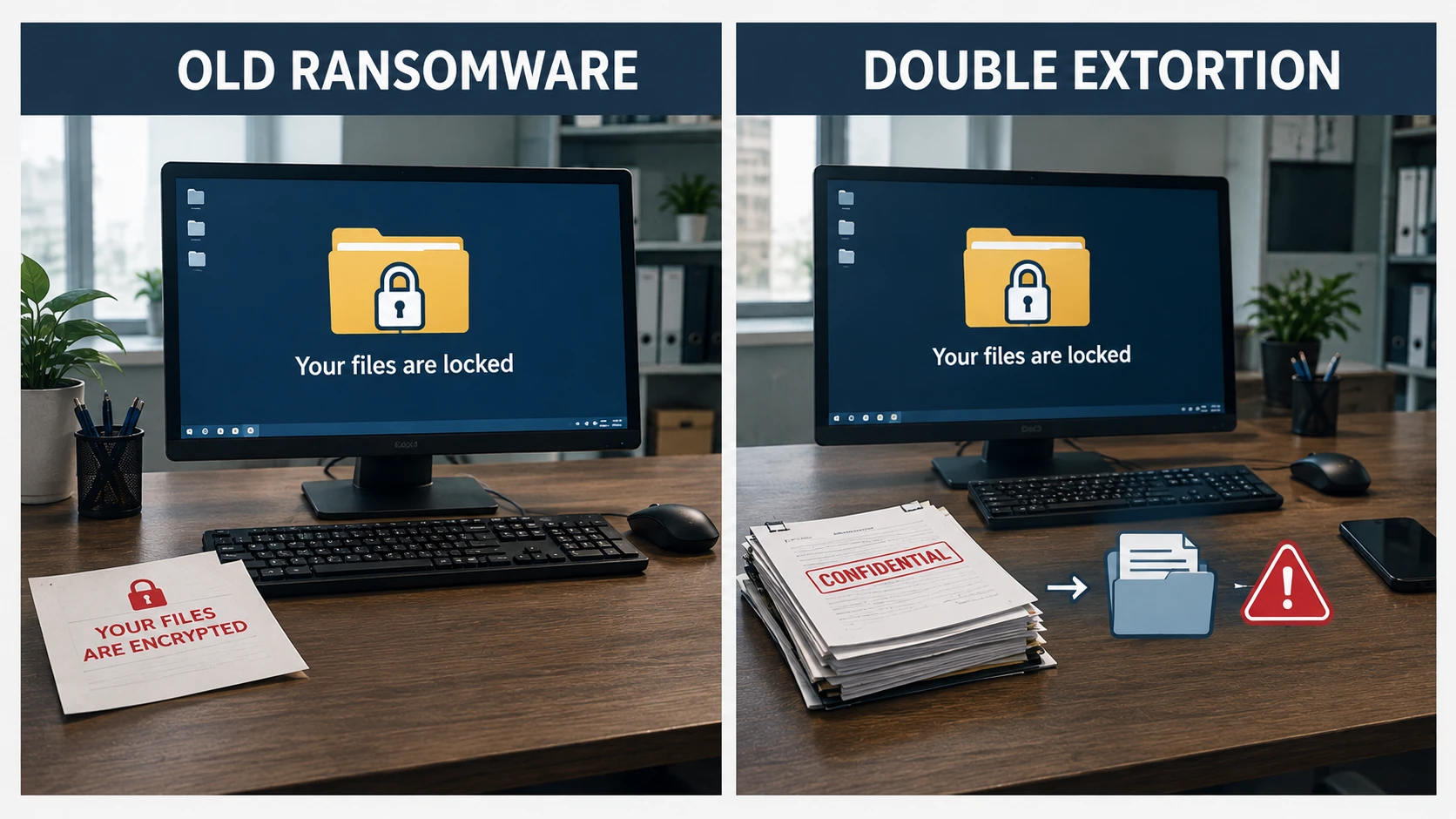
This second method is called double extortion. The criminals use two kinds of pressure: they may block access to files and threaten to publish stolen information.
The US Cybersecurity and Infrastructure Security Agency (CISA) explains this method in its StopRansomware Guide. It warns that attackers may steal data and threaten to release it, even when the victim is already dealing with locked systems.
This is why a business needs more than working backups. It also needs to protect private information, control who can access it, and have a plan for handling a data leak.
Why Do Ransomware Gangs Publish Stolen Data?
The main reason is pressure. A company with working backups may be able to restore its files without paying for a key. But if criminals have copied private information, the company may still face a serious problem.
For example, imagine a small medical company that has backups of its files. It can restore its computers after an attack. However, criminals claim they also copied patient records and threaten to publish them.
Restoring the computers does not remove the copies held by criminals. The company must now consider customer privacy, legal duties, public trust, and the risk of further scams.
Ransomware gangs may use several methods to increase pressure:
- Public threats: They name a company on a leak site.
- Deadlines: They claim the data will be published if payment is not made by a certain date.
- Data samples: They may share a small amount of information to support their claim.
- Repeated threats: They may contact company staff or customers to make the situation more stressful.
- Claims of more stolen data: They may say they hold more files than they have shown.
These actions are meant to make a victim feel that paying is the easiest way out. But a criminal’s promise is not a guarantee. Payment does not ensure that files will be deleted, systems will be restored, or stolen data will stay private.
Why Do Ransomware Gangs Care About Their Reputation?
It may seem strange to talk about a criminal group’s reputation. But ransomware gangs often work like illegal businesses. They may have partners, affiliates, people who handle payments, and people who speak with victims.
Some groups want other criminals to believe that they can carry out attacks and that their promises will be kept. They may also want victims to believe that a threat to publish stolen files is real.
Leak sites can help these groups make their threats public. A company name on a list may be used to show that the group is active, even though the listing itself does not prove every detail of the attack.
However, these groups are not reliable businesses. They can lie about what they stole, change their names, disappear, or be disrupted by police. Europol has reported that law enforcement operations and criminal site takedowns can cause groups to split or change how they operate.
One attack can involve several criminals working together. For example, an initial access broker may break into a company first and then sell that access to a ransomware gang.
What Does It Mean When a Company Is Listed?
If a company appears on a ransomware leak site, it means a criminal group is making a claim or threat about that company. It does not automatically prove that the group has stolen all the data it claims to hold.
There are several possible situations:
- The attack is real: Criminals may have broken into the company’s systems or stolen files.
- The threat is still active: The group may claim it has data but has not published it.
- The information is incomplete: A listing may provide few details about what happened.
- The claim may be misleading: Criminals can exaggerate or publish old, false, or unrelated information.
A company listing also does not tell you the full story. It may not show when the attack began, how many people are affected, or whether the company has already contacted the right authorities.
Security agencies have noted that leak-site lists do not show every ransomware victim. Some groups only publish selected victims, and some victims may never appear on a public list. See CISA’s LockBit ransomware advisory for an example.
What Should a Company Do If It Is Listed?

A company should treat a credible listing as a reason to investigate, not as proof of every claim. It should act quickly and get help from people who understand computer security and data breaches.
- Contact the security team. Follow the company’s incident response plan and involve qualified security staff.
- Protect affected systems. Isolate infected computers or systems as advised by the response team to help stop the attack from spreading.
- Keep evidence. Save relevant alerts, messages, logs, and ransom notes. Do not destroy evidence while trying to fix the problem.
- Check what data may be affected. Work with security and legal experts to understand what may have been taken.
- Tell the right people. Follow applicable reporting rules and notify affected customers when required.
- Restore systems safely. Use clean systems and trusted backups, and check that the attacker no longer has access.
CISA’s ransomware response guidance explains how organisations can prepare for and respond to an attack. The FBI also advises that paying a ransom does not guarantee recovery and may encourage further attacks. Read its ransomware safety guidance.
How to Reduce the Risk of a Ransomware Data Leak
No company can remove every risk, but simple steps can make an attack harder and reduce the damage.
- Keep safe backups. Store protected copies separately from the main network and test that you can restore them.
- Use multi-factor authentication. Add another login check to important accounts, especially email and remote access.
- Update software. Install security updates for operating systems, apps, and network devices.
- Limit access. Workers should only have access to the files they need.
- Train staff. Teach people how to spot fake emails, unsafe links, and unusual login requests.
- Prepare a response plan. Decide who will act, who will contact experts, and how important services will continue.
Backups are still very important, but they do not stop criminals from publishing data they have already stolen. Our guide Are backups enough against ransomware? explains why in simple words. You can also read the official CISA StopRansomware Guide for more steps.
Why We Do Not Link to Live Ransomware Leak Sites
DeepHiDX explains cybercrime so readers can understand the risks and protect themselves. We do not link to live criminal leak sites or share stolen files.
These sites may contain private information about real people, workers, patients, or customers. Visiting them can expose readers to stolen data, fake claims, unsafe downloads, or other risks. Sharing their addresses can also help spread private information further.
You can learn about ransomware through official reports, security research, and public incident advisories instead. These sources help explain what happened without sending people to websites that publish stolen information.
Our aim is simple: explain the threat in plain English, use trusted sources, and help readers make safer choices online.
Frequently Asked Questions
What is a ransomware leak site in simple words?
It is a website criminals use to name companies they claim to have attacked and threaten to publish stolen information. Some sites also share stolen files or samples.
Why do ransomware gangs use leak sites?
They use them to pressure companies into paying money. Threatening to publish private information can create extra pressure even if a company can restore its files from backups.
What is double extortion in ransomware?
Double extortion is when criminals combine threats, often by locking files and threatening to publish stolen data. Some attacks use data theft threats even without locking files.
Does a company listing prove that data was stolen?
No. A listing is a claim by criminals. The company and security experts must investigate the evidence to understand what happened and whether data was taken.
Can backups stop a ransomware data leak?
Backups can help restore files, but they cannot remove copies that criminals have already stolen. Companies also need to protect private data and plan how to respond to a possible leak.
Should I visit a ransomware leak site to check a company?
No. Use trusted news reports, official company updates, and government cybersecurity advisories instead. They can provide useful information without sending you to sites that may publish stolen data.
Helpful Links and Sources
These trusted sources explain ransomware, double extortion, and ways to respond to an attack. We use public guidance rather than links to live criminal sites.
- CISA: StopRansomware Guide — prevention, response, and recovery.
- CISA: Understanding LockBit — how a ransomware group used leak sites.
- CISA: Play Ransomware Advisory — a published example of double extortion.
- Europol: IOCTA 2024 — trends in online crime and criminal websites.
- FBI: Ransomware Guidance — safety advice and incident reporting.
- DeepHiDX — more beginner-friendly cybersecurity and dark web guides.
The Short Version
A ransomware leak site is a website criminals use to threaten companies and publish stolen data. Many groups use these sites as part of double extortion: they may lock files and also threaten to release private information.
A company appearing on a leak site should take the claim seriously, but the listing alone does not prove every detail is true. Safe backups, strong account protection, regular updates, and a clear response plan can reduce the damage.
The most important point is this: restoring files is only one part of ransomware recovery. Protecting people’s private information matters too.


Comments