


By Ehtijad Ali
Updated: October 2026
Reading time: about 7 minutes

Imagine using a website for months. You see new listings, read reviews, and believe your money is safe. Then, one day, the website stops working. Your money is gone, and nobody explains what happened.
This is one way a dark web exit scam can happen. The people running a market may close it and take money that users left on the platform.
In this guide, you will learn what a dark web exit scam is, how escrow can be abused, and what happened in well-known cases. You will also learn how an exit scam differs from a police takedown.
Table of Contents
What Is a Dark Web Exit Scam?
A dark web exit scam happens when the people running an online market suddenly close it and take money held by the platform. Users may lose funds they expected to receive or get back.
Many darknet markets have operated without normal business rules or trusted ways to solve money disputes. If the people in charge control the funds, users may have little chance of getting their money back.
Think of a shop owner who collects payments from many customers, locks the doors overnight, and leaves town with the money. An exit scam is similar, but it happens through an online platform.
Not every market that disappears is running an exit scam. A website may close because of police action, a technical problem, a hack, or a planned shutdown. The reason must be checked before calling a closure a scam.
How Do Dark Web Exit Scams Work?
Many markets build trust over time. Users see reviews, active sellers, and completed orders. Some platforms also hold money until a transaction reaches a certain stage. This is known as escrow.
What Is Escrow?
Escrow is a system that holds money until certain conditions are met. In a normal online sale, a third party may keep the payment until the buyer receives the item or service.
Some darknet markets used a similar system. A buyer sent money to the market, and the platform held it until the order was marked complete. The seller then received the funds.
This system can reduce some risks between buyers and sellers. But it creates another problem: the market itself may control a large amount of money.
If dishonest market operators take those funds and shut down the site, both buyers and sellers may lose money. This is one reason an escrow system cannot guarantee safety when the people controlling it cannot be trusted.

The 5 Stages of a Dark Web Exit Scam
Most exit scams follow a similar path. Knowing the steps makes the whole idea easier to understand.
- Build trust: The market runs normally for months or years. Orders go through, and reviews look good.
- Grow big: More buyers and sellers join. Lots of money now sits in escrow and user wallets at the same time.
- Slow things down: Withdrawals start taking longer. The operators may blame “technical problems” or “maintenance.”
- Take the money: The operators move the funds into wallets that only they control.
- Disappear: The website goes offline. Users are left with empty accounts and no one to complain to.
Why Would a Market Run an Exit Scam?
Money is a major reason. A busy market may hold funds from many users at the same time. The operators may see a chance to take that money instead of continuing to run the site.
Trust can make the problem worse. If users believe a market is reliable, they may leave money in their accounts. Reviews and a long history can make a website look safe, but they do not prove that its owners are honest.
Researchers have studied how escrow, reputation, and trust affect darknet markets. Their work shows why a platform can attract users and still leave them exposed to serious losses.
Famous Darknet Market Exit Scam Examples
Several well-known darknet markets disappeared after users had trusted them with money. The following cases help explain how an exit scam can affect a large online market.
Here is a quick look at the three cases before we explain each one.
| Market | Year | What happened | Reported loss |
|---|---|---|---|
| Sheep Marketplace | 2013 | Closed suddenly; users’ Bitcoin went missing | More than €36 million (Europol) |
| Evolution | 2015 | Operators left with escrow funds | More than €11 million (Europol) |
| Wall Street Market | 2019 | Alleged exit scam, then police arrests | About $11 million (DEA) |
1. Sheep Marketplace — 2013
Sheep Marketplace closed in November 2013. Reports at the time said that a large amount of Bitcoin belonging to users had disappeared. The case became one of the best-known early examples of a suspected darknet market exit scam.
Europol, the European Union’s police agency, later said that more than €36 million in members’ Bitcoin was lost when Sheep folded. Other estimates were lower, because these numbers are hard to check. The case showed how users could lose funds when a market shut down and the people behind it could not be held to account through normal customer support or banking systems.
Read academic research on how dark web markets end for more context on market closures and their effects.
2. Evolution Market — 2015
Evolution was a major darknet market. In March 2015, it suddenly went offline. Reports said that the people running the market had taken Bitcoin held for users.
Europol said in its 2015 report that the people running Evolution left with more than €11 million in Bitcoin. That money belonged to buyers and sellers and was being held in escrow.
The loss shocked market users. It also showed that even a large and popular platform could fail when its operators controlled the money and users had few ways to recover it.
Source: Europol’s IOCTA 2015 report on darknet markets.
3. Wall Street Market — 2019
Wall Street Market was another large darknet market. In May 2019, German authorities announced action against the platform and the arrest of suspected operators. The case is important because it shows why a market disappearing should not automatically be called an exit scam.
Reports about Wall Street Market included allegations of an exit scam, while law enforcement also took action against the market. The case is a reminder that market closures can involve more than one event or explanation.
According to a 2019 U.S. Drug Enforcement Administration press release, the market had about 5,400 sellers and about 1.15 million customers. On April 16, 2019, sellers found they could not take out their money. Investigators said the people running the site had moved about $11 million from escrow and user accounts into their own wallets. Police arrested three suspected operators a few days later. So in this case, the exit scam and the police takedown happened almost at the same time.
When reading about a darknet market closure, check reliable reporting and official statements before deciding whether it was a scam, a police action, or both.
Exit Scam vs. Police Takedown
A market going offline does not tell you why it disappeared. An exit scam and a police takedown are different events.
| Point | Exit scam | Police takedown |
|---|---|---|
| Who closes the market? | The market operators | Law enforcement agencies |
| Main reason | Operators take money or cheat users | Authorities act against suspected crime |
| What happens to the site? | It may disappear without warning | Authorities may seize or disable it |
| What happens to funds? | Users may lose money taken by operators | Funds may be seized as part of an investigation |
| How can you confirm it? | Look for reliable evidence of fraud | Check official law enforcement statements |
For more background, read our guide to major dark web takedowns. It explains how law enforcement operations can bring online markets to an end.
A planned shutdown is different too. Some platforms may announce that they will close and give users time to settle accounts. That is not the same as secretly taking funds and disappearing.
What Do Exit Scams Show About Trust?
Exit scams show that trust online can be weak. A website may have many users, good reviews, and years of activity. None of these things proves that the people running it will protect the money they hold.
On a normal shopping website, a customer may be able to contact a company, ask a bank about a payment, or use a consumer protection service. Darknet markets dealing in illegal goods often lack these protections.
Anonymous accounts and hidden operators can make it harder to find the people responsible. Cryptocurrency payments may also be difficult to reverse. These risks can leave people with few ways to recover lost funds.
Academic studies have found that users may move to other markets after a closure. This means that one market disappearing does not always end the wider market system. Users may simply move elsewhere, where similar risks remain.
You can learn more about the wider history in our dark web timeline and look up terms such as exit scam, escrow, and darknet market in our dark web glossary.
Possible Warning Signs of an Exit Scam
No single warning sign proves that a market is running an exit scam. Still, several problems together may show that a platform is unsafe.
- Users report that withdrawals are delayed without a clear reason.
- Support stops answering important questions.
- Account balances or transaction records suddenly change.
- The site asks users to send extra money to unlock their existing funds.
- The operators make claims that cannot be checked or keep changing their story.
- The website suddenly disappears while users report missing funds.
These signs are not proof on their own. A technical failure or police action can also make a market unavailable. Be careful with claims made on online forums, where people may not know the full story.
Never send more money because someone promises to recover lost funds. Recovery offers can be another way to scam people who have already lost money.
How to Protect Yourself From Scams Like This
Exit scams happen on hidden markets, but the same tricks show up on normal websites too. A shop can look busy and friendly, take your money, and then vanish. These simple habits can help you stay safe anywhere online.
- Do not keep large amounts of money sitting in any website account you cannot fully trust.
- Turn on two-step login, also called multi-factor authentication, for your important accounts.
- Be careful when a site only accepts payments that are hard to reverse, like cryptocurrency or gift cards.
- Never pay a “recovery service” that promises to get lost money back for a fee.

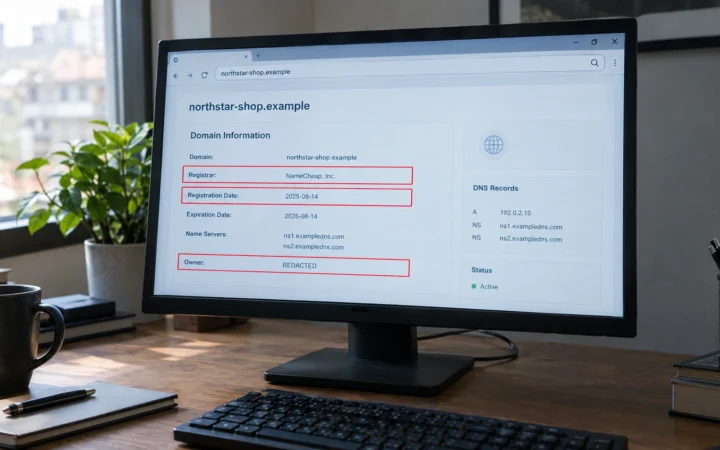
Before you pay any new online store, use these 5 easy checks to tell if a website is fake. Many of the warning signs are the same: too-good-to-be-true deals, no real contact details, and pressure to pay fast.
Frequently Asked Questions
What is a dark web exit scam in simple words?
It is when the people running an online market close it and take money held for users. The site may disappear without warning, leaving users unable to get their funds back.
How does escrow relate to a darknet market exit scam?
Escrow holds money until certain conditions are met. If market operators control the funds and act dishonestly, they may take the money before users receive it or get it back.
What are famous dark web exit scam examples?
Sheep Marketplace in 2013 and Evolution in 2015 are well-known examples reported as exit scams. Wall Street Market in 2019 is also an important case to study because its closure involved law enforcement action and reports of suspected fraud.
Is an exit scam the same as a police takedown?
No. An exit scam is carried out by dishonest market operators. A police takedown happens when law enforcement agencies seize, disable, or otherwise shut down a platform as part of an investigation.
Can users get their money back after an exit scam?
Recovery is often difficult and is not guaranteed. Cryptocurrency payments may be hard to reverse, and the people responsible may be unknown or outside the user’s country. Be cautious of anyone who asks for an upfront fee to recover lost funds.
Why do exit scams often happen when a market is at its biggest?
A big market holds the most money. When there is more cash sitting in escrow and user wallets, the operators have more to gain by running away. That is why a sudden rise in popularity, or delays with withdrawals, can be a warning sign.
Do exit scams only happen on the dark web?
No. The same trick can happen on normal websites too. Fake online shops, crypto apps, and investment sites have collected money from many people and then shut down overnight. The safest habit is to avoid leaving money on any platform you cannot fully trust.
Trusted Sources and Further Reading
This guide uses research and public reports to explain darknet market closures. These sources offer more detail for readers who want to learn more.
- Europol: IOCTA 2015 — Darknets
- Europol: Internet Organised Crime Threat Assessment 2024
- Academic study: Dark ending — What happens when a dark web market closes down
- Scientific Reports: Collective dynamics of dark web marketplaces
- PLOS ONE: Research on trust and escrow in dark-net markets
- U.S. DEA: Wall Street Market investigation (2019)
Final Thoughts
A dark web exit scam happens when market operators take money and close the platform. Escrow may help buyers and sellers in some situations, but it cannot protect users from dishonest people who control the system.
Cases such as Sheep Marketplace and Evolution show how much users can lose when trust breaks down. A police takedown is different, so it is important to check reliable reports before deciding why a market disappeared.
For more simple guides, explore the DeepHiDX dark web glossary and our dark web timeline to learn about key terms and events. Staying safe online also means knowing what your devices share, so read our guide: Is my phone listening to me?


Comments